
Dental implants have become one of the most reliable ways to replace missing teeth, but their success does not depend on surgery alone. In Worcester, MA, many patients are surprised to learn how much general dentistry contributes to the long-term outcome of implant treatment. From early diagnosis to ongoing care, general dental services play a central role in making implants stable, functional, and comfortable. At Common Park Dental, patients often begin their implant journey with a general dental evaluation that sets the foundation for every step that follows.
For anyone researching dental implants worcester ma residents trust, understanding this broader picture can make the process feel clearer and more reassuring. Implants are not a single procedure. They are a carefully coordinated treatment that relies on healthy gums, strong bone, and consistent follow-up care.
Dental implant success starts well before a surgical appointment is scheduled. It begins with understanding overall oral health and creating a plan that supports healing and longevity.
Why general dentistry matters before implant placement
General dentistry focuses on maintaining the health of teeth, gums, and supporting structures. This baseline health is essential for implant success. Before implants are placed, dentists evaluate gum condition, existing teeth, bite alignment, and bone quality.
Patients in Worcester often arrive with concerns such as gum inflammation, untreated decay, or long-standing tooth loss. These issues must be addressed first. Healthy gums reduce the risk of infection, while balanced bite forces help implants integrate properly.
A helpful way to think about implants is that they behave like natural tooth roots. Just as natural teeth require a healthy environment, implants need stable conditions to succeed.
The initial dental evaluation and treatment planning
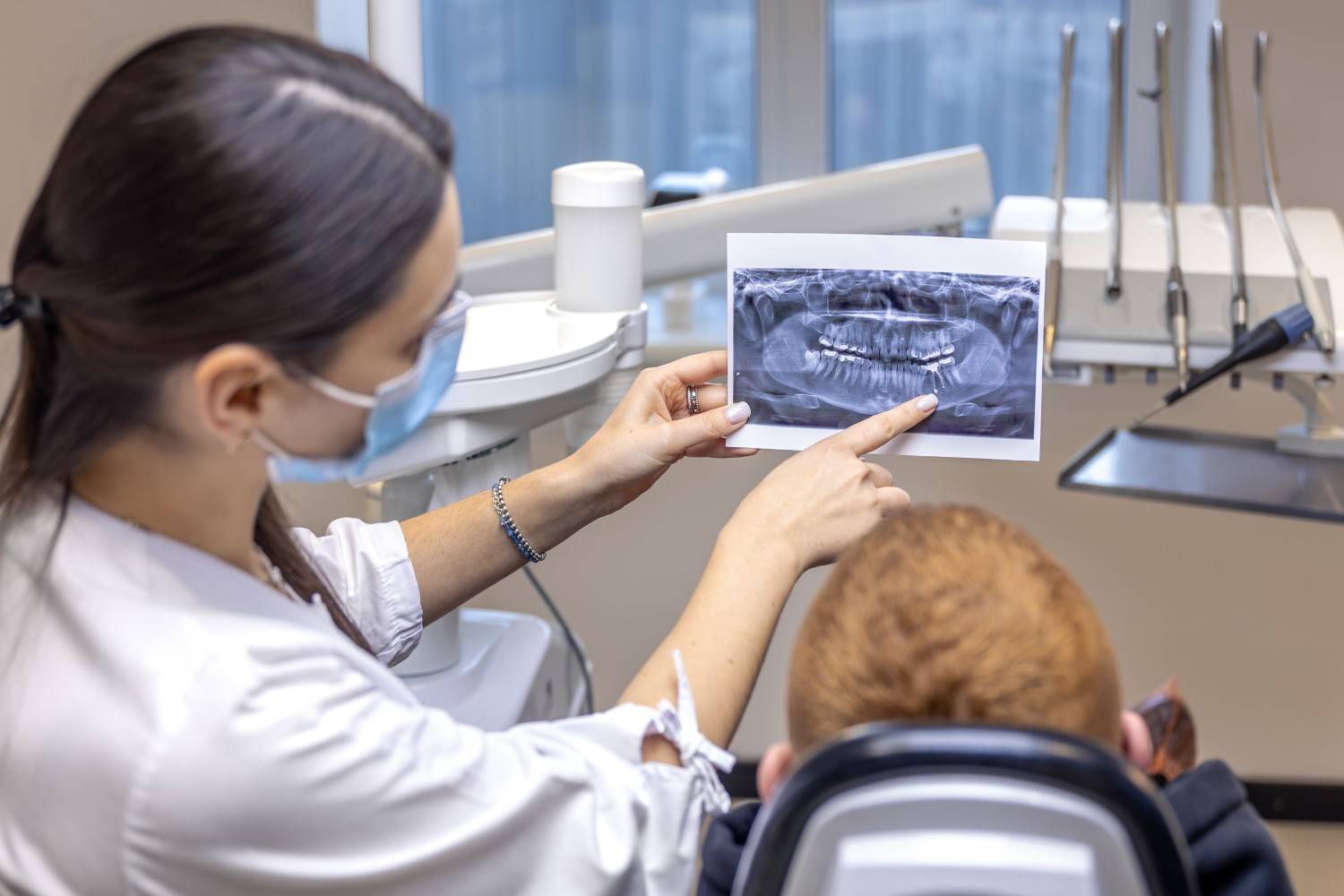
Every implant case begins with a comprehensive dental exam. This includes digital imaging, assessment of bone density, and evaluation of surrounding teeth. These steps help determine whether additional treatments are needed before implant placement.
For some patients, this planning phase may reveal the need for dental implants and bone grafting to rebuild lost bone. Others may benefit from periodontal care to stabilize gum health. General dentistry ensures these needs are identified early rather than after complications arise.
Patients searching for a dentist worcester ma residents rely on often value this thorough approach. It reduces uncertainty and allows for realistic expectations from the start.
How gum health influences implant outcomes
Healthy gums are one of the strongest predictors of implant success. General dentistry focuses heavily on preventing and treating gum disease, which can compromise implant stability if left unmanaged.
Periodontal evaluations help identify inflammation, infection, or bone loss around existing teeth. Addressing these concerns lowers the risk of peri-implant disease, a condition that can affect implants similarly to gum disease affecting natural teeth.
In Worcester, collaboration between general dentistry and worcester periodontics services often supports patients who need advanced gum care before or after implants. This teamwork protects both implants and overall oral health.
Managing bone health and structural support
Bone quality plays a crucial role in implant stability. General dentists assess bone levels using imaging and clinical exams. When bone loss is present, they help coordinate appropriate treatment before implant placement.
Some patients require grafting procedures to rebuild bone structure. Others may need time for healing after extractions. These preparatory steps are guided by general dental oversight, ensuring the mouth is ready for implants.
Patients considering full arch dental implants worcester options often benefit from especially careful planning, as these restorations rely on precise placement and balanced support.
The connection between general dentistry and implant surgery
Implant surgery is a specialized procedure, but it does not occur in isolation. General dentistry provides the context needed for surgical success. This includes ensuring nearby teeth are stable, bite forces are even, and oral hygiene habits are strong.
General dentists often coordinate with specialists such as a periodontist worcester ma patients may be referred to for surgical placement. This collaboration helps ensure the implant integrates smoothly with surrounding structures.
Patients often feel more confident knowing their care is coordinated rather than fragmented.
Restorative dentistry and implant function
Once implants have integrated with the bone, restorative dentistry becomes the focus. Crowns, bridges, or implant-supported dentures are designed to restore function and appearance.
General dentistry plays a key role in shaping these restorations so they fit comfortably and function naturally. Bite alignment is carefully adjusted to prevent excess pressure on implants.
For patients choosing dentures worcester options or partial dentures worcester supported by implants, this restorative phase directly affects comfort and daily usability.
Long-term maintenance and implant longevity
Implants are designed to last many years, but they still require maintenance. General dentistry provides ongoing care through regular checkups, cleanings, and monitoring.
Professional cleanings help prevent plaque buildup around implant restorations. Exams allow dentists to detect early signs of gum inflammation or bite changes that could affect implant stability.
Patients searching for the best dentist in worcester often value this continuity of care. Seeing the same dental team over time helps maintain consistency and catch issues early.
How general dentistry supports emergency implant care
Even with proper care, unexpected issues can arise. Trauma, sudden pain, or damage to surrounding teeth may require urgent attention.
General dentistry provides a first line of response for emergency dental care worcester ma patients may need. Prompt evaluation helps protect implants and prevent complications from spreading.
Whether it involves addressing infection, relieving discomfort, or stabilizing a restoration, early intervention supports better outcomes.
The role of patient education in implant success
Education is a core part of general dentistry. Patients who understand how implants work are more likely to care for them properly.
Dentists guide patients on brushing techniques, flossing around implants, and recognizing warning signs that require attention. This knowledge empowers patients to protect their investment.
Another point patients often ask about is lifestyle impact. Habits such as smoking, grinding, or inconsistent hygiene can affect implant longevity. General dental guidance helps patients make informed choices.
Benefits of integrating general dentistry with implant care
• Healthier gums and surrounding teeth
• Improved implant stability and longevity
• Fewer complications during treatment
• Better bite balance and comfort
• Stronger long-term oral health
These benefits highlight why implants succeed best when supported by comprehensive dental care.
What patients can expect during routine follow-ups
Routine visits focus on evaluating implant health alongside natural teeth. Dentists check gum condition, assess bite forces, and ensure restorations remain secure.
Imaging may be used periodically to monitor bone levels around implants. This proactive approach allows small concerns to be addressed before they become serious.
Patients often appreciate the reassurance that comes with consistent monitoring.
A local patient experience
“I thought implants were just about surgery. I didn’t realize how important regular dental care was until I went through the process. Having everything monitored made a big difference.”
Stories like this reflect how general dentistry supports confidence throughout implant treatment.
FAQs About General Dentistry and Dental Implants
Why is general dentistry important before dental implants?
General dentistry ensures gums, teeth, and bone are healthy, creating the right environment for implants to succeed.
Do I need gum treatment before getting implants?
Some patients do. Treating gum disease first helps reduce infection risk and supports implant stability.
How does bone grafting fit into implant planning?
Bone grafting rebuilds lost bone so implants have proper support. General dental exams help identify this need early.
Can general dentists manage implant maintenance?
Yes. Routine cleanings and exams help monitor implants and surrounding tissues over time.
What happens if I have an implant-related emergency?
Prompt evaluation helps protect the implant and surrounding teeth. Early care often prevents complications.
Are implants still safe if I grind my teeth?
Grinding can affect implants. Protective measures like night guards may be recommended.
How long do dental implants usually last?
With proper care and regular dental visits, implants can last many years.
Building implant success through comprehensive care
Dental implants offer reliable tooth replacement, but their success depends on more than placement alone. In Worcester, general dentistry plays a vital role in preparing, supporting, and maintaining implant treatment at every stage. By focusing on gum health, bone stability, restorative precision, and long-term monitoring, Common Park Dental helps patients achieve implant results that feel natural, stable, and lasting.