
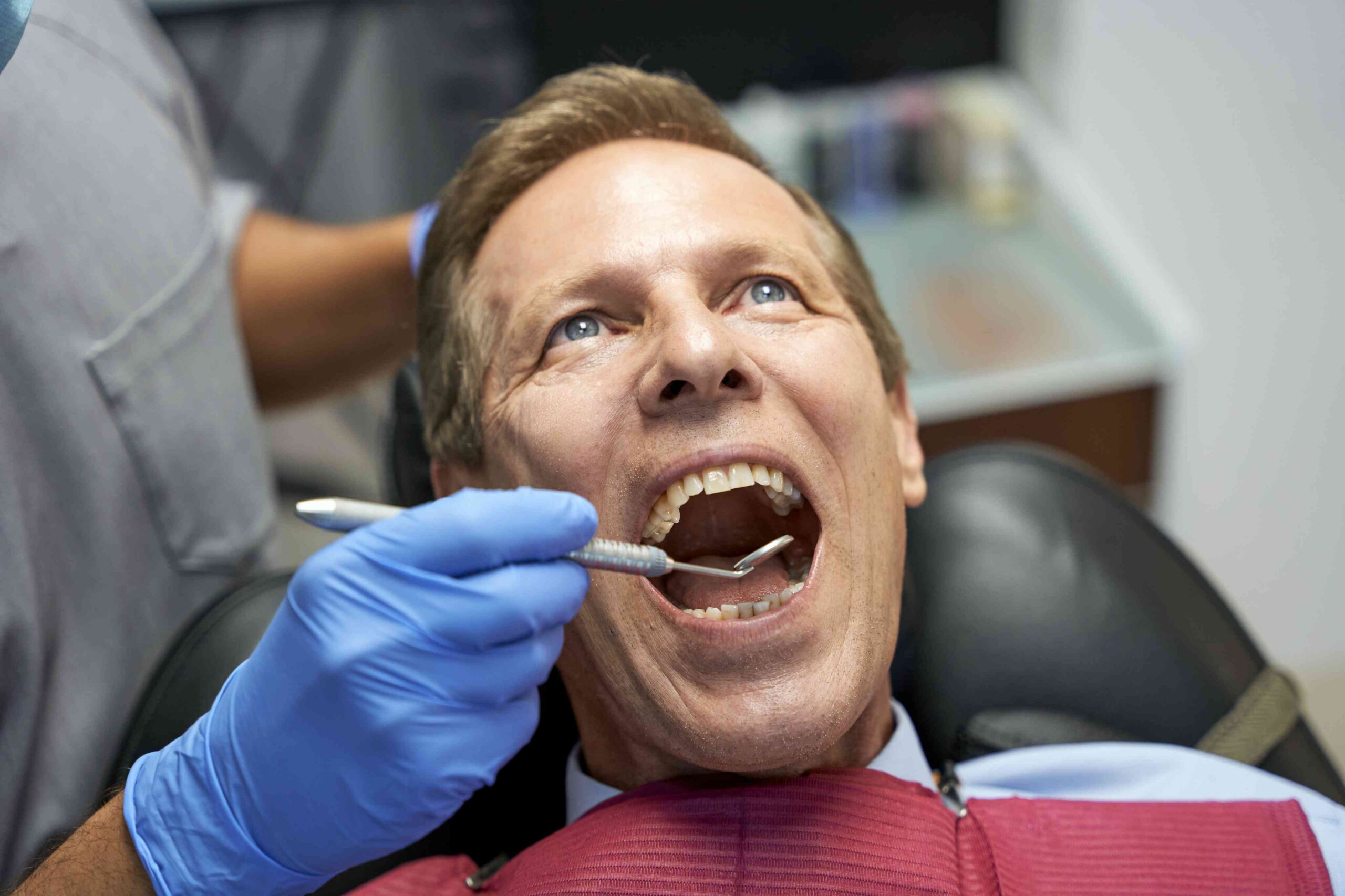
All-on-4 dental implants in Newton Square, MA may be discussed for patients missing most or all teeth in an arch or for patients with several failing teeth who want a fixed full-arch replacement option. Suitability depends on bone support, gum health, medical history, bite force, oral hygiene, and treatment goals. Newton Square patients should have a complete evaluation before deciding because removable dentures, implant-supported dentures, periodontal care, or staged treatment may also be considered.
Living with many missing or failing teeth can affect eating, speech, comfort, and confidence. Some patients struggle with loose dentures. Others have several teeth that are painful, mobile, or difficult to restore. A full-arch tooth replacement option may sound appealing, but it requires careful planning.
Patients asking about All on 4 dental implants in Newton Square, MA should expect a detailed evaluation before any recommendation is made. The dentist may need to review bone support, gum health, remaining teeth, bite pressure, medical history, and daily cleaning ability. For patients in Newton Square and Greendale, the goal is to understand whether a fixed full-arch option may be suitable or whether another path should be considered.
What Full-Arch Implant Treatment Means
Full-arch implant treatment is designed to replace an entire upper or lower set of teeth. Instead of replacing each tooth with a separate implant, a planned number of implants may support a full-arch restoration.
The restoration may feel more stable than a traditional removable denture for some patients. Still, it is not right for everyone.
The treatment involves surgical planning, healing, prosthetic design, bite review, and long-term maintenance. Patients should understand the full process before deciding.
Who May Ask About This Option
Patients may ask about all on 4 dental implants in Newton Square, MA when they have several missing teeth, loose dentures, failing teeth, or difficulty chewing.
Some patients want a more stable replacement option. Others are looking for an alternative to removable dentures. Some may have gum disease or tooth decay that has affected many teeth.
An exam is needed to determine whether full-arch implant treatment is possible. The number of remaining teeth, condition of gums, bone support, and health history all matter.
Bone Support Is a Key Factor
Implants need bones for support. When teeth have been missing for a long time, bones in those areas may shrink. Gum disease can also affect bone levels.
The dentist may recommend imaging to check bone height, width, density, and the location of important structures. This helps determine whether implants can be placed in suitable positions.
If bone support is limited, the dentist may discuss additional procedures, different implant planning, removable options, or other replacement choices.
Gum and Periodontal Health Matter
Patients with failing teeth may also have gum disease or bone loss. Gum inflammation, infection, and deep pockets should be reviewed before full-arch planning.
A conversation about periodontics in Newton Square, MA may be part of the evaluation when gum disease is affecting tooth support. Understanding why teeth are failing helps guide a better replacement plan.
Healthy surrounding tissues are important for implant success and maintenance. Implant treatment should not ignore active infection or poor oral hygiene.
Medical History Can Affect Suitability
Full-arch implant care involves surgery and healing. Medical history can affect both of us.
Patients should share medications, allergies, diabetes status, immune conditions, smoking or tobacco use, past surgeries, and recent health changes. Some medications or medical conditions may affect healing or bone response.
This information does not always rule out treatment, but it may change the plan, timing, or precautions. Safety depends on an honest health review.
Bite Force Needs Careful Planning
A full-arch restoration must handle daily chewing forces. Grinding, clenching, or uneven bite pressure can cause extra stress on implants and restoration.
The dentist may check jaw movement, bite patterns, worn teeth, sore jaw muscles, and history of broken dental work. These findings can affect the design of restoration.
A fixed full-arch option must fit both the mouth and the way the patient uses it every day.
How This Differs from Traditional Dentures
Traditional dentures rest on the gums and are removable. They may feel less stable for some patients, especially lower dentures.
Implant-supported full-arch restorations use implants for support. Depending on design, they may feel more fixed and may improve chewing stability for suitable patients.
This does not mean implants are always better for every patient. Dentures may still be appropriate depending on bone, health, budget discussions if provided by the office, expectations, and treatment goals.
How It Differs from Replacing One Tooth
Replacing one missing tooth is very different from replacing a full arch. A single implant may support one crown. Full-arch treatment needs planning for many teeth, bite balance, gum appearance, speech, and cleaning access.
The dentist must consider how the upper and lower arches meet. Tooth shape, smile line, lip support, and jaw relationships may also matter.
Full-arch treatment is more complex because it affects the entire bite and smile.
Greendale Patients May Compare Similar Options
Some patients outside Newton Square may also ask about all on 4 dental implants Greendale, MA when they are missing many teeth or have dentures that feel unstable.
The same planning principles apply. The dentist should review bone, gums, medical history, bite, remaining teeth, and cleaning ability before recommending treatment.
Location does not change the need for evaluation. Full-arch implant planning should always be patient-specific.
What to Expect at the Consultation
Before the appointment, patients should note what is bothering them most. Is it loose dentures, missing teeth, pain, chewing trouble, speech, appearance, or several failing teeth?
During the visit, the dentist may examine the mouth, remaining teeth, gums, bites, jaws, and existing dentures. Imaging may be recommended to review bone and implant planning options.
After the evaluation, patients should understand whether full-arch implant treatment may be considered, whether teeth need removal, whether gum care is needed first, and what alternatives may fit.
Treatment Often Happens in Stages
Full-arch treatment may involve tooth removal, implant placement, temporary teeth, healing, and a final restoration. The exact sequence depends on the patient’s mouth and treatment plan.
Some patients may need periodontal care, extractions, bone evaluation, or denture adjustment before implant placement. Others may need time to heal between steps.
A staged plan can help manage risk, comfort, and function. Patients should ask what each stage involves and what they can expect during healing.
Cleaning and Maintenance Are Long-Term Needs
A full-arch implant restoration still needs daily cleaning. Food and plaque can be collected around the gumline and under restoration.
Patients may need special brushes, floss threaders, water flossers, or other tools. The dental team should explain how to clean the area based on the design.
Regular maintenance visits are also important. The dentist can check tissue health, bite, implant stability, and restoration wear.
Comfort and Adjustment Take Time
A new full-arch restoration can feel different at first. Speech, chewing, and cleaning may require practice. The bite may need to be checked after placement.
Patients should report sore spots, speech difficulty, loosening, food trapping, or bite discomfort. Adjustments may be part of the process.
A realistic plan should include both treatment steps and adaptation after the restoration is placed.
Benefits Patients May Notice
For suitable patients, full-arch implant treatment may provide a more stable way to replace many missing or failing teeth.
Patients may benefit from:
- Fixed full-arch support
- Improved chewing stability
- Replacement for many missing teeth
- Reduced movement compared with some removable dentures
- Planned tooth shape and smile support
- Long-term maintenance guidance
- A treatment approach for failing teeth when suitable
These benefits depend on bone, gums, healing, bite force, oral hygiene, and follow-up care.
Local Patient Review
“I wanted to know if a full-mouth replacement option was possible. The dentist explained why bone, gums, bite, and health history all needed to be reviewed first.”
A Full-Arch Plan Should Begin with a Full Evaluation
Replacing many teeth requires careful review of bone, gums, bite, health history, comfort, and maintenance needs. Patients in Newton Square and Greendale can visit Common Park Dental to discuss full-arch tooth replacement options and learn what may be suitable after a complete dental evaluation.
Frequently Asked Questions
Who may be a candidate for this type of treatment?
A suitable patient often has enough bone support, stable gum health, medical factors that support healing, and realistic expectations.
Is this the same as regular dentures?
No. Traditional dentures rest on the gums and are removable, while implant-supported options use implants for added support.
Can failing teeth be removed and replaced right away?
Timing depends on infection, bone support, gum health, and the treatment plan. Some cases need staged care.
Does gum disease need treatment first?
Often, active infection or inflammation should be addressed before replacement planning moves forward.
How long does the process take?
Timing varies based on extractions, healing, implant placement, temporary teeth, and the final restoration.
Will cleaning be difficult?
It requires specific tools and daily care. The dental team can show how to clean the restoration properly.
Can grinding affect restoration?
Yes. Heavy bite force may affect implants and prosthetic teeth. Bite review and protection may be discussed.
Are there other options besides this treatment?
Yes. Removable dentures, implant-supported dentures, or other staged plans may be discussed depending on the evaluation.