
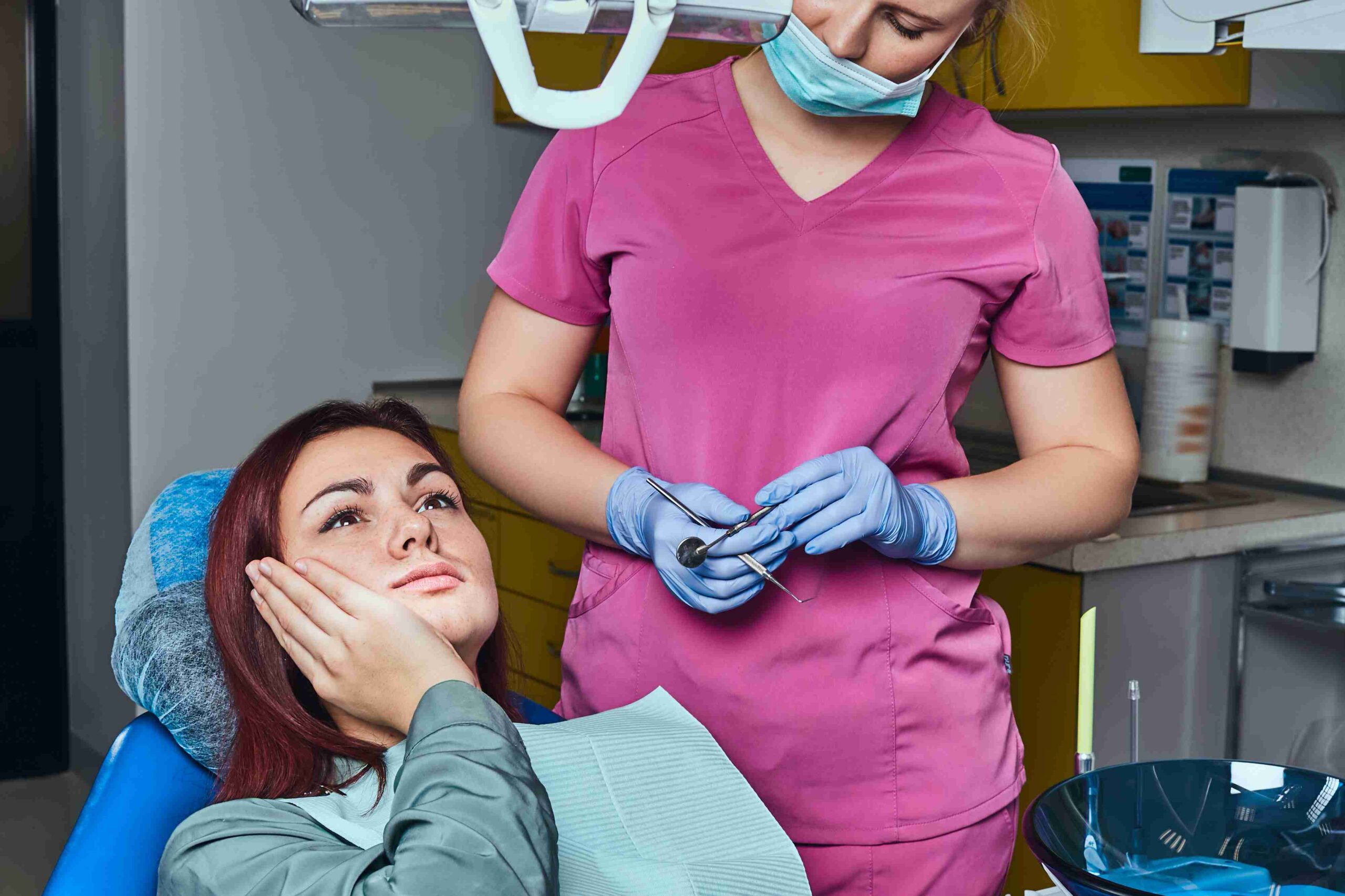
An emergency dentist in Newton Square, MA may be needed for severe tooth pain, swelling, dental trauma, broken teeth, knocked-out teeth, bleeding, fever, or signs of infection. Some dental concerns can wait for a scheduled visit, but intense, spreading, or injury-related symptoms should be checked quickly. Newton Square patients may need an exam, X-rays, infection review, gum evaluation, temporary repair, pain source diagnosis, or follow-up treatment based on what the dentist finds.
Dental problems can change quickly. A tooth may feel slightly tender in the morning and become painful to bite on by evening. Swelling near the gums may start small, then spread toward the cheek or jaw. A broken tooth may not hurt right away, but the sharp edge or exposed inner layer can become sensitive.
Seeing an emergency dentist in Newton Square, MA can help patients understand what is causing the symptoms and what should happen first. Urgent care often begins with diagnosis, not a rushed assumption. The dentist may check teeth, gums, bites, jaws, old dental work, and signs of infection. For patients in Newton Square and Greendale, prompt evaluation can help reduce uncertainty and guide the next step.
Severe Tooth Pain Should Be Checked
A mild ache may be scheduled if it is stable, but severe tooth pain should not be ignored. Pain that wakes you up, throbs, worsens with biting, or lingers after hot or cold may suggest a deeper concern.
Possible causes include decay near the nerve, a cracked tooth, infection, gum abscess, trauma, or bite pressure. The dentist may ask when symptoms start, what triggers them, and whether the pain has changed.
An urgent visit can help identify whether the pain is coming from the tooth, gums, jaw, or nearby tissues. This matters because each cause may need a different treatment path.
Swelling Can Point to Infection
Swelling around a tooth, gum, jaw, cheek, or face may be linked to infection. It can also happen after trauma, but painful or spreading swelling should be checked promptly.
Patients should seek urgent evaluation when swelling comes with fever, pus, bad taste, trouble opening the mouth, or worsening pain. If swelling affects breathing or swallowing, emergency medical care is needed immediately.
An emergency dentist in Newton Square, MA may check whether swelling is related to a tooth root, gum tissue, or another oral concern. The first step may involve identifying the source before a longer-term plan is discussed.
Broken Teeth Need More Than a Quick Look
A broken tooth can happen from biting something hard, dental trauma, decay, grinding, or an old filling that weakens the tooth. The tooth may feel sharp, sensitive, loose, or painful when chewing.
Even if pain is mild, the tooth should be evaluated. A fracture can expose deeper tooth layers or travel below the gumline.
Patients should avoid chewing on that side and bring any broken pieces if they have it. The dentist may discuss temporary protection, bonding, filling, crown evaluation, root canal evaluation, or another option depending on the findings.
A Knocked-Out Tooth Is Time-Sensitive
A knocked-out adult tooth needs quick attention. Handle the tooth with the crown, not the root. If it is dirty, gently rinse it without scrubbing.
If possible, place the tooth in milk while urgent dental care is arranged. The dentist can explain whether reimplantation or another treatment may be possible.
Baby teeth are different and should not be placed back in the socket unless a dental professional gives that direction. Children with mouth injuries should also be checked for gum, lip, jaw, and nearby tooth damage.
Bleeding After Injury Should Be Reviewed
Bleeding from the mouth may come from the lips, tongue, gums, or tooth area. Minor bleeding may slow with clean gauze pressure.
Heavy bleeding, bleeding that does not slow, or bleeding after a fall, sports injury, or accident should be evaluated quickly. Medical care may be needed for deep cuts, jaw injury, or head injury signs.
Dental trauma can affect teeth that look normal at first. A full exam may help find hidden cracks, loosened teeth, or bite changes after injury.
Gum Problems Can Become Urgent Too
Not every dental emergency starts inside the tooth. Gum infections, deep pockets, loose teeth, or swelling around the gums may also require prompt care.
A discussion about periodontics in Newton Square, MA may be needed when gum disease, bone loss, or periodontal infection is part of the concern. Bleeding gums alone may not always be urgent, but swelling, pus, loose teeth, or pain should be checked.
Gum health affects tooth stability, comfort, and future treatment planning. Ignoring gum symptoms can allow problems to become more difficult to manage.
Loose or Failing Teeth Need Careful Evaluation
A loose adult tooth may be linked to trauma, gum disease, infection, or heavy bite pressure. It should be checked rather than monitored at home for too long.
The dentist may examine the gum tissue, bone support, bite, and X-rays. If the tooth cannot be saved, replacement options may be discussed later, but urgent care should focus on diagnosis first.
Some patients with several failing teeth may eventually ask about all on 4 dental implants in Newton Square, MA, but emergency symptoms should be stabilized before a full-arch plan is considered.
What to Expect During an Urgent Visit
Before the appointment, write down when symptoms start, what makes them worse, and whether there was an injury. Bring medication details, allergy information, and any broken tooth piece or loose restoration.
During the visit, the dentist may examine the teeth, gums, bites, jaws, and surrounding tissues. X-rays may be recommended to check roots, bone, decay, infection, or trauma-related damage.
After the exam, the dentist may explain what needs attention first. Some visits involve temporary care, while others may include treatment depending on diagnosis, time, and the condition of the tooth or gums.
Temporary Relief Is Not a Final Fix
Warm saltwater rinses or over-the-counter pain medicine used as directed may help briefly. These steps do not treat the cause of most urgent dental problems.
Pain that returns, spreads, or becomes stronger should not be managed only at home. Infection, deep decay, cracks, and trauma need professional evaluation.
Temporary relief can support comfort while arranging care, but it should not replace diagnosis. The goal is to understand why symptoms are happening.
When a Scheduled Visit May Be Enough
Not every dental concern needs urgent care. A small chip without pain, mild sensitivity, or a rough edge may be scheduled if symptoms are stable.
The timing changes when pain is severe, swelling develops, bleeding continues, fever appears, or trauma occurs. Patients should describe symptoms clearly when seeking care.
Clear details help the dental team decide whether the issue should be seen quickly or handled through a planned appointment.
How Follow-Up Care May Fit In
An emergency visit may not complete all needed treatment. It may focus on finding the cause, reducing risk, and protecting the area.
Follow-up may involve filling, crown, root canal evaluation, gum treatment, extraction discussion, bite review, or monitoring after trauma. If a tooth is broken or infected, a final repair may need a separate appointment.
At Common Park Dental, urgent dental visits may include first-step care and clear guidance on what may need attention after the immediate concern is addressed.
Benefits of Prompt Evaluation
Getting urgent symptoms checked can help patients understand the cause and reduce the chance of the issue worsening.
Patients may benefit from:
- Finding the source of pain
- Checking for infection
- Protecting broken teeth
- Reviewing trauma damage
- Assessing gum-related swelling
- Managing loose restorations
- Planning follow-up care
- Reducing uncertainty during a stressful situation
These benefits depend on the diagnosis, severity, and timing of care.
Local Patient Review
“I had swelling and pain that came on quickly. The dentist checked the area, explained what might be causing it, and helped me understand what needed to happen next.”
Clear Direction During a Dental Emergency
Tooth pain, swelling, broken teeth, gum infection signs, and dental injuries should be checked before they become harder to manage. Patients in Newton Square and Greendale can visit Common Park Dental for urgent dental evaluation, first-step care, and guidance on follow-up treatment when needed.
Frequently Asked Questions
What symptoms should be checked quickly?
Severe pain, swelling, fever, trauma, bleeding, a knocked-out tooth, or infection signs should be evaluated promptly by a dental professional.
Can a mild toothache wait?
Sometimes mild symptoms can be scheduled, but worsening pain, sleep disruption, or lingering temperature pain should be checked sooner.
What should I do if an adult tooth comes out?
Hold it by the top part, avoid touching the root, place it in milk if possible, and seek dental care quickly.
Is facial swelling always caused by teeth?
Not always, but dental infection can cause swelling. Trouble breathing or swallowing requires emergency medical care.
Can a broken tooth be repaired right away?
It depends on the depth of the break and tooth condition. The dentist may provide temporary or final care based on the exam.
Should gum swelling be taken seriously?
Yes, especially when it is painful, spreading, or linked with pus, fever, bad taste, or loose teeth.
Can pain medicine solve the problem?
Pain medicine may reduce discomfort briefly, but it does not treat decay, infection, cracks, gum disease, or injury.
Why might another visit be needed?
Some urgent visits focus on diagnosis and first-step care. Final repair or deeper treatment may need follow-up.