
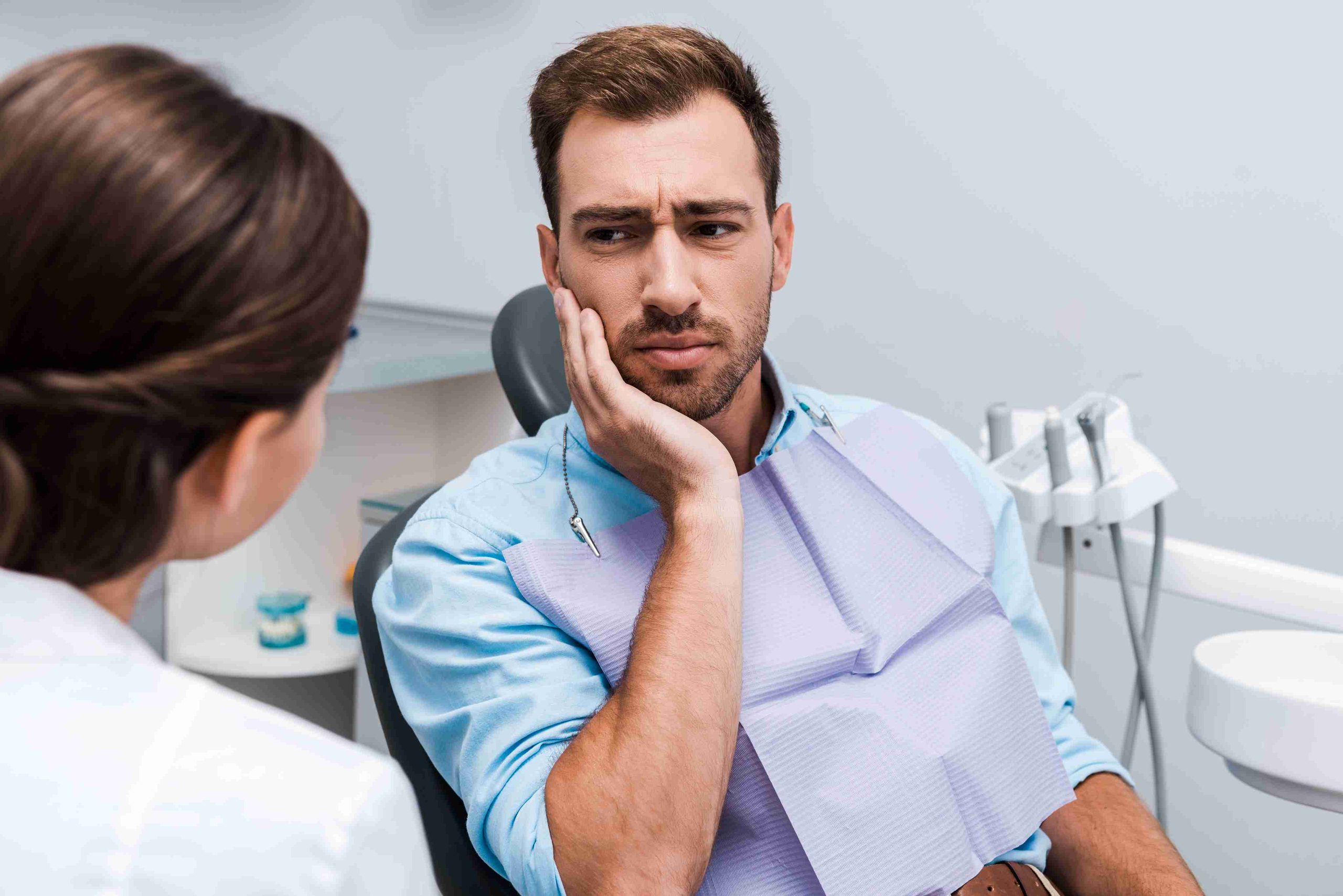
An emergency dentist may help patients with severe tooth pain, swelling, dental trauma, broken teeth, knocked-out teeth, bleeding, lost crowns, or signs of infection. Patients in Worcester, MA, Newton Square, MA, and Greendale, MA should seek prompt care when symptoms worsen, affect chewing, or appear after injury. Fever, spreading facial swelling, trouble breathing, trouble swallowing, or uncontrolled bleeding may require emergency medical care before dental treatment.
Dental problems rarely arrive at a convenient time. A patient in Worcester, MA may feel a dull ache turning into steady pain overnight. Someone in Newton Square, MA may lose a filling during lunch, while a patient in Greendale, MA may notice swelling near one tooth after several days of sensitivity.
An emergency dentist may be needed when pain, swelling, injury, bleeding, or a broken tooth should be evaluated quickly. The first visit may focus on finding the cause, calming the situation, and deciding what care is safest next. Some concerns can be handled with a simple repair, while others need staged treatment. The right decision depends on the tooth, gums, symptoms, medical history, and whether infection or trauma is involved.
Pain That Changes Quickly
Tooth pain can feel sharp, heavy, throbbing, or like pressure under the gum. It may come and go at first, then become harder to ignore.
An emergency dentist should evaluate pain that wakes you from sleep, makes chewing difficult, or keeps returning after temporary relief. Pain that lingers after hot or cold foods may also point to deeper irritation.
Medicine may reduce discomfort for a short time, but it does not show what caused the problem. A tooth can feel better even when decay, a crack, or infection still needs care.
Swelling Near the Tooth or Face
Swelling can be a sign that infection or inflammation is being built.
Patients in Worcester, MA should not try to drain swelling at home. This can irritate tissue and may delay the care that is needed.
Emergency dental care may include an exam, X-rays when needed, and a plan to treat the source. If swelling spreads toward the neck, throat, eye, or affects breathing or swallowing, medical care may be needed right away.
Broken Teeth and Lost Restorations
A tooth can break because of injury, grinding, biting hard food, or stress around an older filling. A broken tooth may feel sharp, sensitive, or painful when biting.
A crown or filling that comes loose can also expose the tooth. The area may feel rough, tender, or sensitive to air and temperature.
Emergency dental treatment may help protect exposed tooth structure and check whether decay, fracture, or bite pressure caused the problem.
When the Tooth Nerve Is Involved
Deep decay, cracks, or trauma can affect soft tissue inside a tooth. Symptoms may include throbbing pain, lingering heat sensitivity, bite pain, swelling, or a small gum bump.
An emergency root canal may be discussed if testing shows the inner tooth tissue is inflamed or infected, and the tooth can still be restored. The dentist must first confirm which tooth is causing the symptoms.
Not every painful tooth need canal care. Gum disease, sinus pressure, cracked fillings, and bite trauma can create similar discomfort, so diagnosis matters.
Dental Trauma Needs Careful Handling
A knocked-out adult tooth needs prompt attention. Hold the tooth with the crown, not the root. If it is dirty, gently rinse it with milk or saline, but do not scrub it.
A loose adult tooth after a fall or sports injury should also be checked. Even mild pain can hide damage to the root, gum, bone, or nearby teeth.
Bleeding and Children’s Symptoms
Bleeding that does not slow, heavy bleeding, dizziness, weakness, or facial injury should be treated seriously. Patients who take blood thinners should follow medical and dental guidance.
Children may not describe dental pain clearly. A parent may notice chewing on one side, crying during meals, trouble sleeping, or swelling near the cheek.
Baby tooth injuries still need evaluation because gums, bone, and developing adult teeth may be affected. Severe pain, swelling, fever, trauma, or trouble swallowing should be handled promptly.
What to Do Before the Visit
Rinse gently with warm water if the mouth feels irritated. Use a cold compress outside the face for swelling after injury. Avoid chewing on the painful side.
Bring a medication list, allergy information, medical history, and any broken dental pieces. These details help the dental team plan more safely.
How the Source Is Found
Dental pain can travel, so the tooth that hurts may not be the only concern. Careful testing helps prevent treating the wrong area.
An emergency dentist may use X-rays, tapping, bite tests, temperature checks, gum measurements, and visual exams. These steps help separate nerve pain from gum problems, cracks, sinus pressure, or bite issues.
A patient from Greendale, MA may feel soreness across several teeth, while one damaged molar is causing most of the problem. Findings should guide the next step.
The First Visit May Not Be the Final Step
An urgent visit often begins with diagnosis and stabilization. A temporary filling, bite adjustment, infection assessment, or protective covering may be used before final care is completed.
Emergency dental care may also include planning for a crown, filling, root canal therapy, extraction, or gum treatment. The recommendation should match the tooth’s condition.
Patients should ask what was handled during the visit and what still needs to follow up. A temporary repair should not be treated like a finished restoration unless the dentist says so.
When Medical Care Should Come First
Some symptoms are not safe to manage through a regular dental visit alone. Spreading facial swelling, fever, uncontrolled bleeding, trouble breathing, trouble swallowing, or trauma involving the head or jaw may need emergency medical care.
Dental infections can become serious if they spread into deeper facial or neck spaces. Patients should not wait if breathing or swallowing is affected.
After medical stabilization, dental care may still be needed to treat the tooth or gum source.
How Prompt Dental Care May Help
Timely evaluation may help reduce delays and clarify the safest next step.
It may help:
- Check severe tooth pain
- Assess swelling or infection signs
- Stabilize a broken tooth
- Evaluate loose or knocked-out teeth
- Protect lost crowns or fillings
- Identify cracks or deep decay
- Plan follow-up treatment
- Results depend on the diagnosis, tooth condition, gum health, injury type, infection level, and how soon care is received.
If Canal Care Is Recommended
A second emergency root canal discussion may happen after tests to show that the tooth inner tissue is the source of pain. The emergency dentist also needs to check whether enough tooth structure remains for a filling or crown afterward.
Patients in Newton Square, MA should understand that relieving symptoms and protecting the tooth are separate parts of care. A tooth may need a final restoration after the inside has been treated.
If the tooth is cracked too deeply or cannot be restored, another option may be safer. The dentist should explain why.
What to Expect Before During and After Care
Before care begins, the dentist reviews symptoms, medical history, medications, allergies, swelling, pain level, and any injury. X-rays may be recommended to check roots, bone, decay, or infection signs.
During the visit, emergency dental treatment may focus on diagnosis, infection control, stabilizing the tooth, protecting exposed areas, or planning the next stage.
After the appointment, patients should follow written instructions for eating, cleaning, medication when recommended, and returning for care. Worsening swelling, fever, bleeding, or bite changes should be reported promptly.
Local Patient Review
“I came in worried about sudden tooth pain. The visit helped me understand what was causing it, what needed attention first, and why follow-up care mattered.”
Fast Dental Answers Start with the Cause
Sudden dental pain, swelling, trauma, or broken dental work can feel stressful, but the safest care begins with a clear diagnosis. Patients near Worcester, MA who need help understanding urgent symptoms can visit Common Park Dental for an exam and guidance on the next suitable step.
Frequently Asked Questions
How do I know if dental pain is urgent?
Pain that is severe, worsening, waking you at night, or affecting chewing should be checked. Swelling or fever makes the concern more urgent.
Can swell near a tooth wait?
Swelling should be evaluated promptly. If it spreads toward the face, neck, or throat, or affects breathing or swallowing, seek medical care.
What should I do if my tooth breaks?
Avoid chewing on that side and save any pieces if possible. Have the tooth checked, especially if pain or sensitivity appears.
Can medicine fix a tooth infection?
Medicine may be used in some cases, but the dental source often still needs treatment. A dentist should evaluate infection signs.
What if a crown falls off?
Keep the crown and avoid chewing on that tooth. The tooth underneath may be sensitive, decayed, or damaged.
Should a child’s injured baby tooth be checked?
Yes. Baby tooth injuries can affect gums, bone, comfort, and developing adult teeth nearby.
When should I go to the hospital?
Go for trouble breathing, trouble swallowing, uncontrolled bleeding, severe facial swelling, fever, or trauma involving the head or jaw.